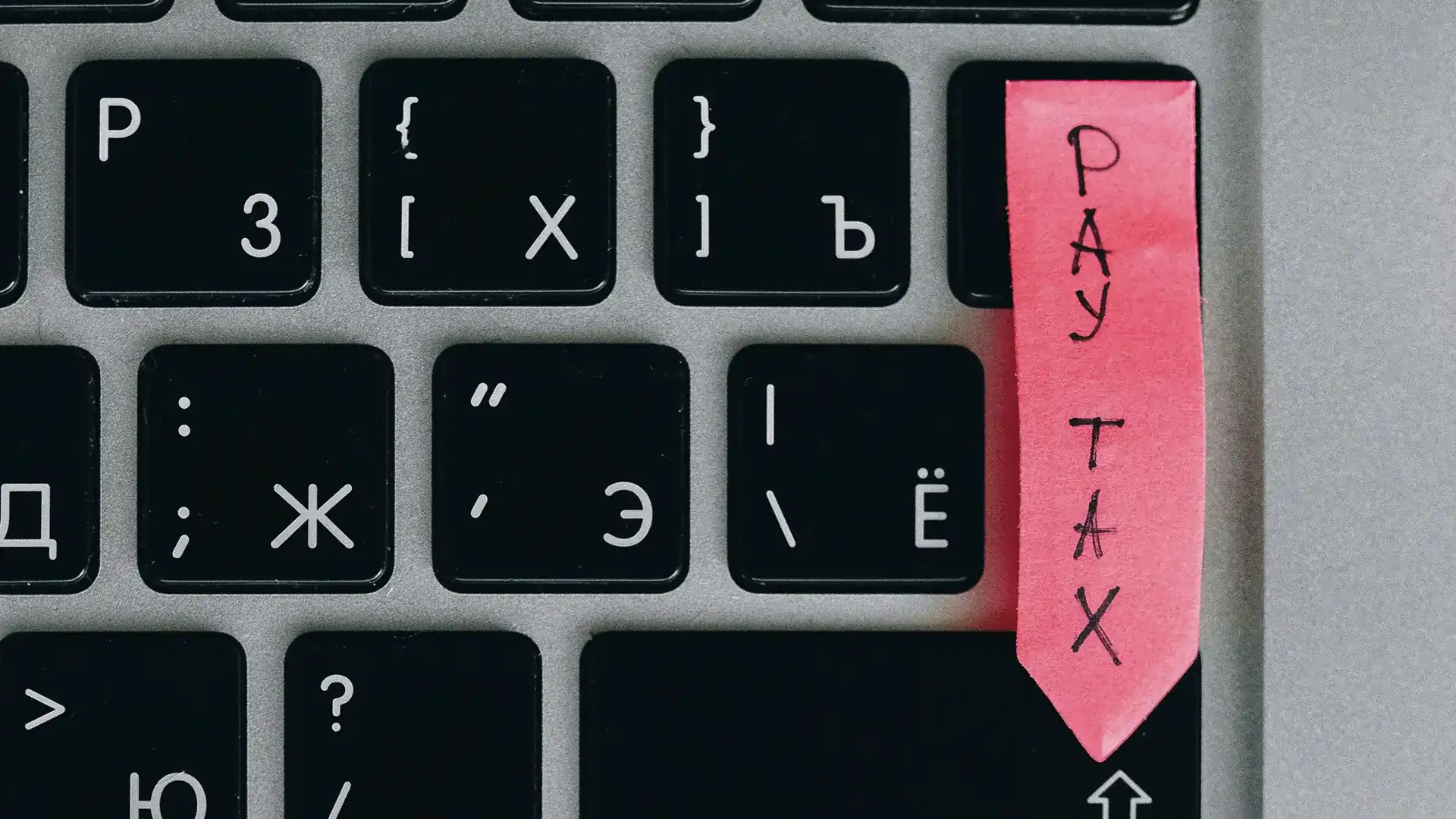
The 10 most common tax mistakes to avoid (and how to fix them)
Tax mistakes are costly: penalties can reach 200% of unpaid tax, interest accrues daily, and in serious cases there are criminal consequences. Knowing the most common errors is the first step to avoiding them.
1. Missing tax deadlines
The Italian tax calendar is packed with deadlines: monthly or quarterly VAT, IRPEF advance payments in June and November, annual returns, INPS contributions. Every missed deadline means:
- Minimum penalty of 30% of the unpaid amount
- Interest accruing daily
- Possible knock-on effects on banking and credit relationships
How to avoid it: use a firm that actively tracks deadlines and gives you advance notice. A good accountant has a shared deadline calendar with their clients.
Practical example: a freelance consultant forgets to pay the quarterly VAT instalment due on 16 May — an amount of 3,000 euros. Upon realising the omission 20 days later, she uses voluntary regularisation: the penalty drops to 1.5% of the tax due (instead of the standard 30% that would apply after a formal audit), meaning 45 euros instead of 900 euros. Prompt action saves over 85% of the ordinary penalty. The only additional cost is a few euros of daily interest — a modest price compared to the alternative.
2. Choosing the wrong tax regime
Many business owners start on the flat-rate regime without checking whether it is actually the best option for their situation. The flat-rate regime is advantageous when:
- Actual costs are lower than the standard flat-rate deduction percentage
- Taxable income does not exceed certain thresholds
- You are not subject to exclusion conditions (employees, high employment income, etc.)
How to avoid it: preventive analysis with your accountant before opening a VAT number or at the start of each tax year.
3. Not keeping documentation
Italian law requires the retention of tax documents for 10 years (5 years for accounting records, but 10 years in the event of an audit). Receipts, invoices, notes, contracts: everything must be kept and accessible.
How to avoid it: digital filing system, preferably with cloud backup. Legally recognised electronic archiving eliminates the paper problem entirely.
4. Deducting undocumented or non-business costs
The Italian Revenue Agency checks two requirements for the deductibility of a cost:
- Relevance: the cost must be linked to the professional or business activity
- Documentation: a tax document must exist (invoice, receipt, note)
Attempting to deduct personal costs as business expenses is a mistake that surfaces systematically during audits.
How to avoid it: always separate personal expenses from business ones. Ideally, use a dedicated business bank account and credit card.
5. Omitting income from your return
Rental income, foreign bank interest, foreign dividends, occasional self-employment income: all must be declared. The Revenue Agency automatically receives information from banks, intermediaries and clients (through withholding certificates and mandatory communications).
How to avoid it: gather all tax documents received during the year (withholding certificates, bank statements, rental contracts) and provide them to your accountant.
6. Errors in electronic invoicing
Electronic invoicing is mandatory for all Italian taxpayers. The most common errors:
- Incorrect client tax code or VAT number
- Wrong VAT code
- Incorrect SDI destination code
- Late submission (12 days for immediate invoices, by the 15th of the following month for deferred invoices)
How to avoid it: up-to-date management software or full delegation to your accountant for invoice issuance and control.
7. Not paying IRPEF/IRAP advance payments
The June and November advance payments often catch professionals off guard, especially in the first years of activity or after a particularly good year.
How to avoid it: simulate your tax result during the year and set aside a monthly portion of turnover for taxes (rule of thumb: 25–30% for flat-rate taxpayers at 15%, 40–45% for those in the standard regime).
8. Applying the wrong VAT rate
Italian VAT rates are 4%, 5%, 10% and 22%. Applying the wrong rate — whether too high or too low — creates problems for both supplier and client.
How to avoid it: systematically verify the correct rate for each type of good or service, especially for businesses with a mix of different rates.
Practical example: a building contractor invoices renovation work on a residential property at the standard 22% rate instead of the reduced 10% rate that applies to eligible refurbishment works. The client ends up paying 3,600 euros in VAT rather than the correct 1,800 euros. The error may go unnoticed for months, but if it surfaces during a tax audit, the contractor must issue a credit note and regularise the position, potentially triggering additional checks on how the work was classified. The reverse situation is equally damaging: applying a rate that is too low means the supplier must absorb the uncollected VAT out of their own pocket. Maintaining an up-to-date internal reference table of the rates applicable to your specific goods or services significantly reduces this risk.
9. Not using voluntary tax regularisation (ravvedimento operoso)
Many taxpayers discover a mistake or missed payment and freeze up, fearing the consequences. In reality, voluntary regularisation allows you to spontaneously correct the violation with reduced penalties compared to those applied after a formal audit.
Reduced penalties range from 1% (within 14 days) to 5% (after 2 years), compared to the standard 30% in the event of an audit.
How to avoid it: as soon as you discover a mistake, contact your accountant immediately to assess voluntary regularisation.
Practical example: a self-employed architect realises on 20 September that she did not pay the IRPEF advance payment due on 30 June — an amount of 2,000 euros. Eighty-two days have elapsed since the deadline. Under the applicable rules (more than 30 days but within 90 days), the penalty is 1/9 of the standard 30%, which works out to approximately 3.33%, or 66.67 euros. A few euros of daily interest are added on top. Had the same omission been discovered during a tax audit instead, the penalty would have been 600 euros, with the possible addition of further ancillary sanctions. By acting spontaneously, the architect saves over 530 euros. The lesson is straightforward: no matter how small the mistake, voluntary regularisation almost always produces a significantly better outcome than waiting.
10. Not planning estate and succession matters
Business owners often neglect asset and succession planning, with significant tax consequences for their heirs.
How to avoid it: preventive advice on family business agreements, lifetime gifts and life insurance for succession purposes.
Studio CITI snc: we fix mistakes, we prevent future ones
If you have made tax errors or want to verify the accuracy of your tax position, our firm offers a full analysis with guidance on the most advantageous corrective actions.
Tel. 02.450 774 39 — Contact us
Related services:
